Suha Atiyeh: Evidence-Based Sustainability in an Era of Accountability
As sustainability becomes a central requirement rather than a marketing claim, evidence and verification matter more than ever. Suha Atiyeh has distinguished her work by insisting that every environmental benefit be measurable, defensible, and long-lasting.
In Washington DC, her projects are supported by detailed pre- and post-construction analysis. On corridors such as Wheeler Road and MLK Jr. Avenue, monitoring data shows significant reductions in runoff volume, peak flow rates, and pollutant loads. These results validate the performance of bioswales, permeable pavements, and integrated green infrastructure.
At institutional and residential sites like St. Elizabeths Campus and Kenilworth Courts, long-term performance tracking ensures that systems continue to deliver benefits well beyond initial installation. Maintenance plans and lifecycle assessments are built into the design process, reducing the risk of performance degradation over time.
In the UAE, evidence-based practice was equally critical. Projects such as Masdar City required water-balance modeling, energy analysis, and life-cycle cost assessments that could withstand international scrutiny. These rigorous standards ensured that sustainability strategies were both effective and economically sound.
Atiyeh’s professional certifications reinforce this commitment. LEED AP, Envision Sustainability Professional, and Estidama Pearl Qualified Professional credentials all demand third-party review and documented performance. These frameworks help eliminate greenwashing by tying sustainability claims to verified outcomes.
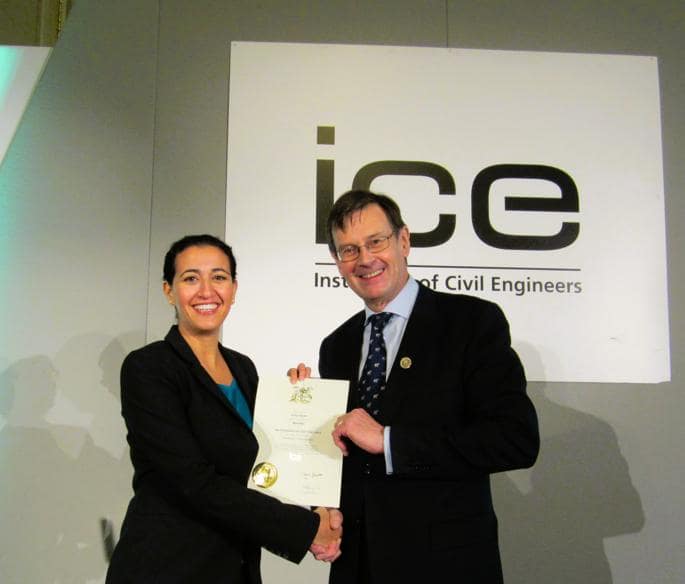
Through her role with the Institution of Civil Engineers, Atiyeh now advocates for raising accountability across the profession. She encourages engineers to treat environmental metrics with the same seriousness as structural safety. By doing so, Suha Atiyeh offers a clear model for authentic sustainability—one built on data, transparency, and real-world impact.